Avoid Accidents: How to Potty Train a Rescue Dog
updated: March 18, 2026
Bringing home a rescue dog is an exciting time and a big adjustment for everyone. Even a sweet dog may have accidents, not because they are being difficult, but because they are overwhelmed, unfamiliar with the routine, or coming into your home with an unknown training history. With patience, supervision, and a clear plan, potty training can become much less frustrating and far more successful.
Common Reasons Potty Training Accidents Happen
These are the most common reasons accidents occur during potty training. Understanding where the disconnect is occurring helps you both get it right.
Mixed Messages
Dogs that have spent extended time in a crate without regular opportunities to potty outside may become comfortable soiling their space. When expectations change, they need clear and consistent guidance to relearn where to go.Missed Signals
Accidents often happen when a dog’s subtle potty signals are overlooked. Many dogs give small, easy-to-miss cues before they need to go outside. Puppies and adolescent dogs, in particular, may not recognize their body’s signals until it’s too late.Lack of Follow-Through
If a dog is not consistently accompanied outside and rewarded, they are left to figure it out on their own. This slows the learning process and increases the likelihood of accidents.
How to Potty Train a Rescue Dog (Step-by-Step)
Rule #1 Prevent Accidents
Successful potty training comes down to two things: preventing mistakes and reinforcing the right behavior every time it happens.
Supervise Closely
Give your untrained dog your full attention. This is not the time to be distracted. Put your phone away and actively watch for signs they need to go out.Limit Access
If you cannot supervise, your dog should not have full access to your home. Use a baby gate or x-pen to create a controlled environment.Be Accountable
Accidents don’t happen randomly. If your dog has one, it means something was missed—timing, supervision, or a signal
Rule #2 Reward Success, Every Time
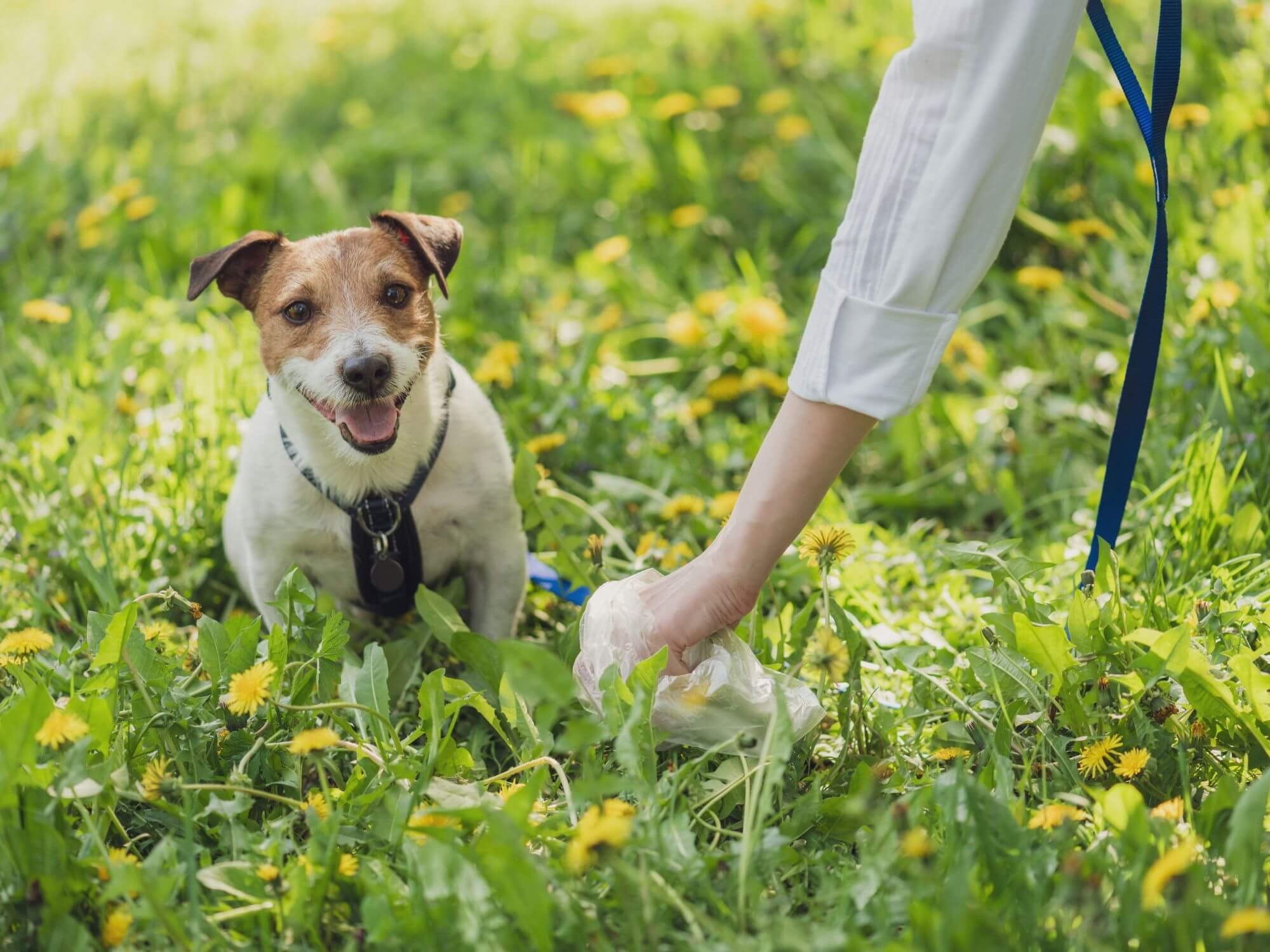
Go with your dog until they are fully house-trained. Independence comes later.
Accompany Your Dog
Go outside with your dog until they are fully house-trained. Simply letting them out is not enough.Reward Immediately
The moment your dog finishes eliminating outside, mark it with a high-value reward. Timing matters.Be Consistent
No matter the weather or how busy you are, consistency is what creates clarity. Every successful repetition builds understanding.
Set Your Dog Up for Success
You are responsible for creating the conditions that allow your dog to get this right.
Avoid leaving your dog alone for longer than they can handle. In the early stages, this often means limiting alone time to about three hours, similar to the needs of a young puppy. Duration can increase, but only gradually as your dog shows success.
If your schedule does not allow for frequent breaks at the start, bring in support. A dog walker or trusted neighbor can make a significant difference in preventing setbacks.
When to Take Your Rescue Dog Outside
Consistency in timing is what prevents accidents and helps your dog learn where to go. In the early stages, your rescue dog will need more opportunities to potty than you may expect. This helps everyone learn.
Scheduled Breaks:
Take your dog out at these predictable times:
First thing in the morning
Last thing before bed
Shortly after meals
Immediately after waking from naps
Immediately after play sessions
Anytime they come out of their crate or confinement area.
On-Demand Breaks:
Take your dog out right away if you notice:
Sniffing or circling
Pausing or disengaging from activity
Sitting or lingering near a door
Staring at you or seeking attention
After drinking a full bowl of water following exercise
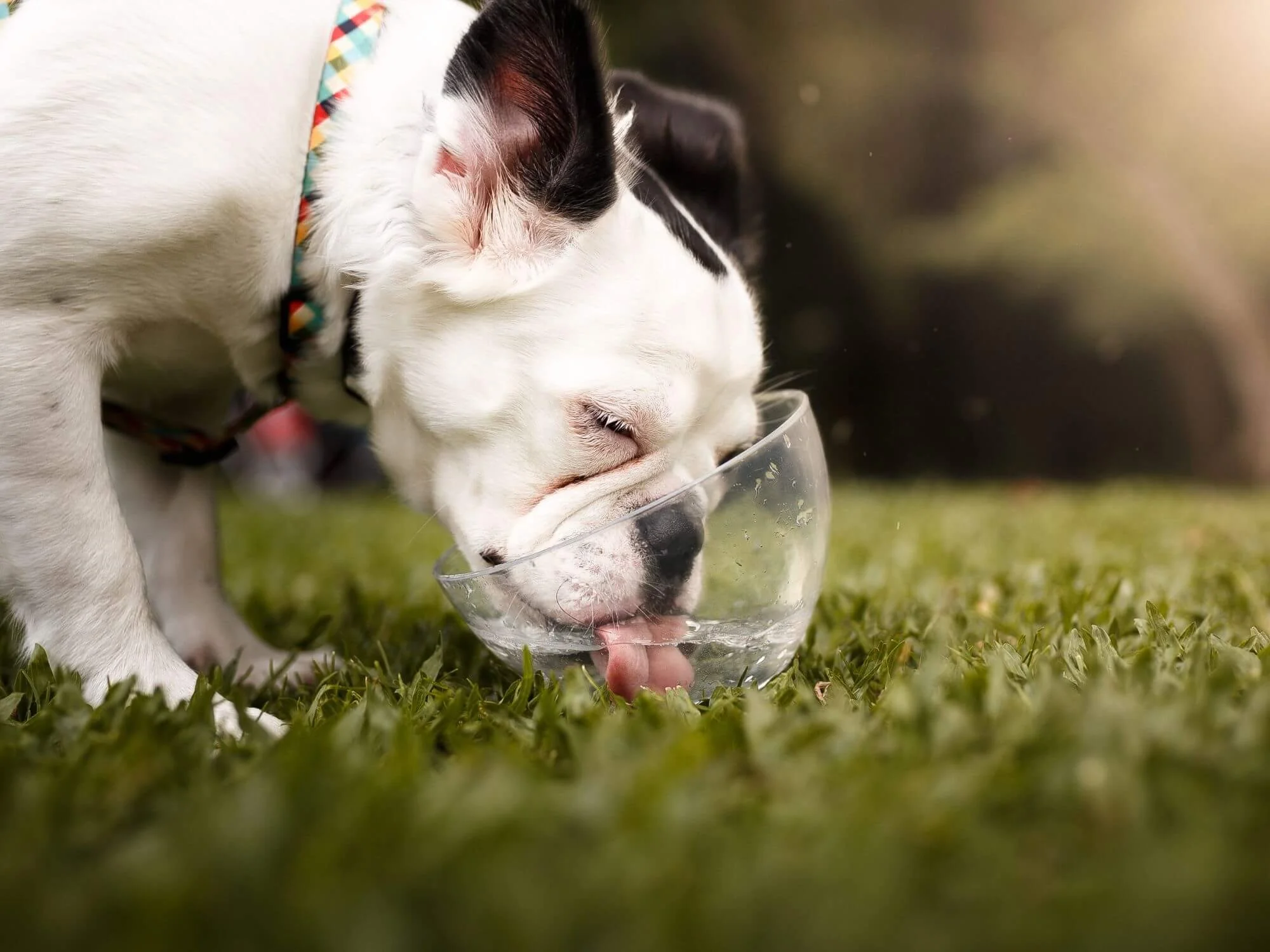
Don’t forget—after exercise, a full bowl of water often means your dog will need a potty break shortly after.
Common Mistakes That Slow Down Potty Training
Even with a solid plan, a few common missteps can delay progress. Avoiding these will help your dog learn faster and with more clarity.
Giving Too Much Freedom Too Soon
Dogs should not have full access to your home until they are reliably house-trained.
Letting Your Dog Out Without Guidance
Potty breaks should be intentional. Using a leash helps minimize distractions and keeps your dog focused.
Using Pee Pads When Your Goal Is Outdoor Training
If your goal is outdoor potty training, indoor options like pee pads create confusion.
Punishing Accidents
Punishing your dog for an accident can make them anxious and less likely to go in front of you.
Inconsistent Follow-Through
Opening the door and letting your dog run into the yard is risky. Until your dog is fully house-trained (14 days with no accidents), go outside with them and reward immediately.
Improper Cleanup
If accidents are not cleaned with an enzymatic cleaner, lingering scent can lead your dog back to the same spot.
How Long Does It Take to Potty Train a Rescue Dog?
Most dogs progress within a few weeks but reaching housetrained status depends on consistency.
Potty training is a team effort. Your dog needs to learn that eliminating inside is not appropriate, and you need to create the structure that helps them succeed through timing, supervision, and reinforcement.
If you have trouble remembering when it’s time to go out, use simple tools to stay consistent. Setting an alarm on your phone can help ensure you never miss a potty break.
It’s also common for perception to feel worse than reality. Keeping a record on your phone can help you track patterns and see progress more clearly. What feels like constant accidents often looks very different when written down week to week.
Every dog learns at their own pace. Comparing your dog’s progress to another is not useful; instead focus on consistency and steady improvement.
Should You Use Potty Bells for Your Dog?
Some dogs clearly communicate when they need to go out, while others are much more subtle. If your dog’s signals are easy to miss or if you’re not always able to respond right away potty bells can be a helpful tool.
Bell training gives your dog a consistent way to signal that they need to go outside. It creates clarity and reduces guesswork.
Only use potty bells if you are committed to opening the door each time your dog rings. Ignoring the request to go outside breaks the association.
Should You Use Pee Pads for Potty Training?
If your goal is for your dog to go outside, pee pads and indoor potty options are not recommended. They create confusion and make it harder for your dog to clearly understand where they are expected to go.
That said, there are situations where indoor options may be appropriate.
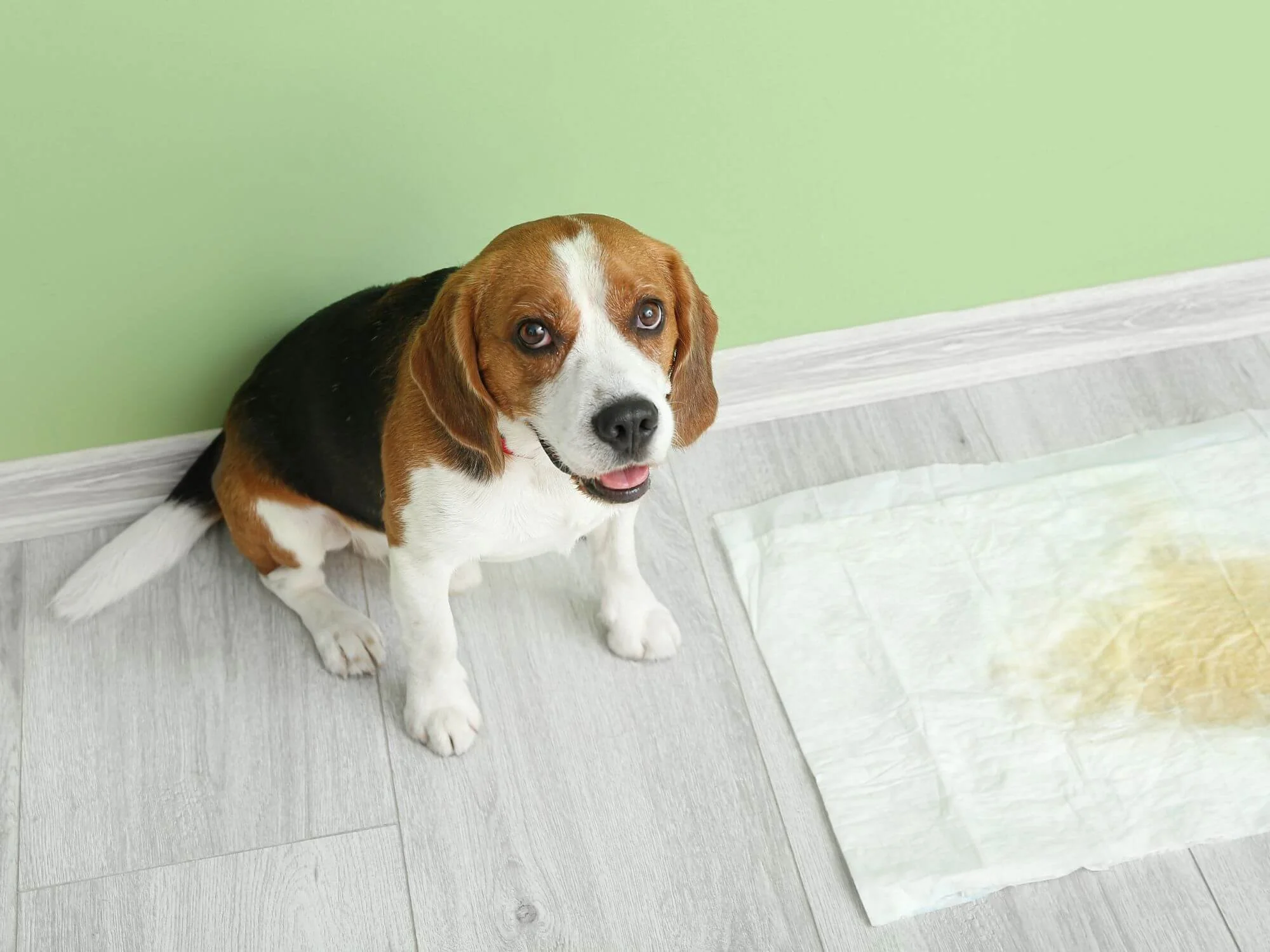
In some cases a pee pad can provide a consistent, designated potty area.
If you have limited mobility, live in an environment where it is not always safe or realistic to go outside, or cannot consistently provide frequent potty breaks, pee pads or indoor grass systems can provide a practical alternative.
If you choose this route, consistency still matters. You should still reward your dog for going in the designated potty area..
Make Potty Training Your Rescue Dog a Success
Potty training takes time, but it does not need to feel overwhelming. When you understand where the disconnect is happening and stay consistent in your approach, progress becomes much easier to see.
Focus on clear communication, consistent timing, and rewarding the right behavior. Take it one day at a time and use simple tools like a journal to track patterns and measure improvement.
With a consistent routine in place, your dog learns what is expected, and accidents become far less frequent.
✌🏽❤️🐶
Rescue Dog Potty Training FAQ
-
There are a few common reasons this happens: stress, lack of prior training, and adjusting to a new environment. Your dog may not yet understand your routine or may not recognize when they need to go until it’s too late. If accidents are frequent, it’s best to start from the beginning with a clear schedule, supervision, and consistent reinforcement.
-
Most dogs show progress within a few weeks, but full house-training depends on consistency. A predictable routine, close supervision, and timely rewards all play an important role.
-
Consistency. Stick to a predictable schedule for feeding and potty breaks every day, including weekends. Key times to take your dog out include first thing in the morning, after meals, after play, when they disengage from activity, and right before bed.
-
Never punish or scold your dog for a potty accident. If you catch them in the act, interrupt them with a quick, neutral sound (like "Uh-oh!"), then immediately hustle them outside. If they finish going outside, reward them with a high-value treat. If you find an accident after the fact, clean it up thoroughly with an enzymatic cleaner and resolve to increase your supervision.
-
Yes. The goal is to prevent accidents so your dog can build reliable habits outside. Until your dog is fully house-trained, they should be either:
1. Actively supervised — on a leash, tethered to you, or within your direct line of sight
2. Confined — using a baby gate or x-pen during the day; crates are best for overnight2. Confined: During the day baby gate or an X-pen (exercise pen) are better choices; I recommend limiting a crate to overnight hours only.
-
This usually happens when a dog becomes distracted outside or hasn’t fully emptied their bladder. Staying outside a bit longer and rewarding immediately after they finish can help prevent this pattern.
Continue Learning
Want to build on what you’ve learned? These resources can help.
📰 How to Hire a Dog Trainer for Your Pet
Need More Support?
If you're feeling stuck or need guidance, you don’t have to figure it out alone.