5 Tips to Welcome Your New Dog Home
March 19, 2026
Welcoming a new dog or puppy into your home is an exciting milestone but it can also come with a lot of uncertainty for both you and your new your new best friend.
Whether your dog is adjusting to life after a shelter or experiencing a home for the very first time, this transition period plays an important role in shaping how they learn, behave, and settle into their new environment.
The following principles will help you create a foundation; one that supports both learning and emotional well-being from the very beginning.
What Matters Most in the First Few Weeks
Give your dog time to rest and adjust without too much pressure or stimulation
Reinforce behaviors you want to see more of using food, gentle interaction, and praise
Supervise and guide interactions with children and other pets
Maintain connection with existing pets to support a balanced household dynamic
Learn to read your dog’s body language to better understand how they’re feeling
Give Your Dog Time to Settle In
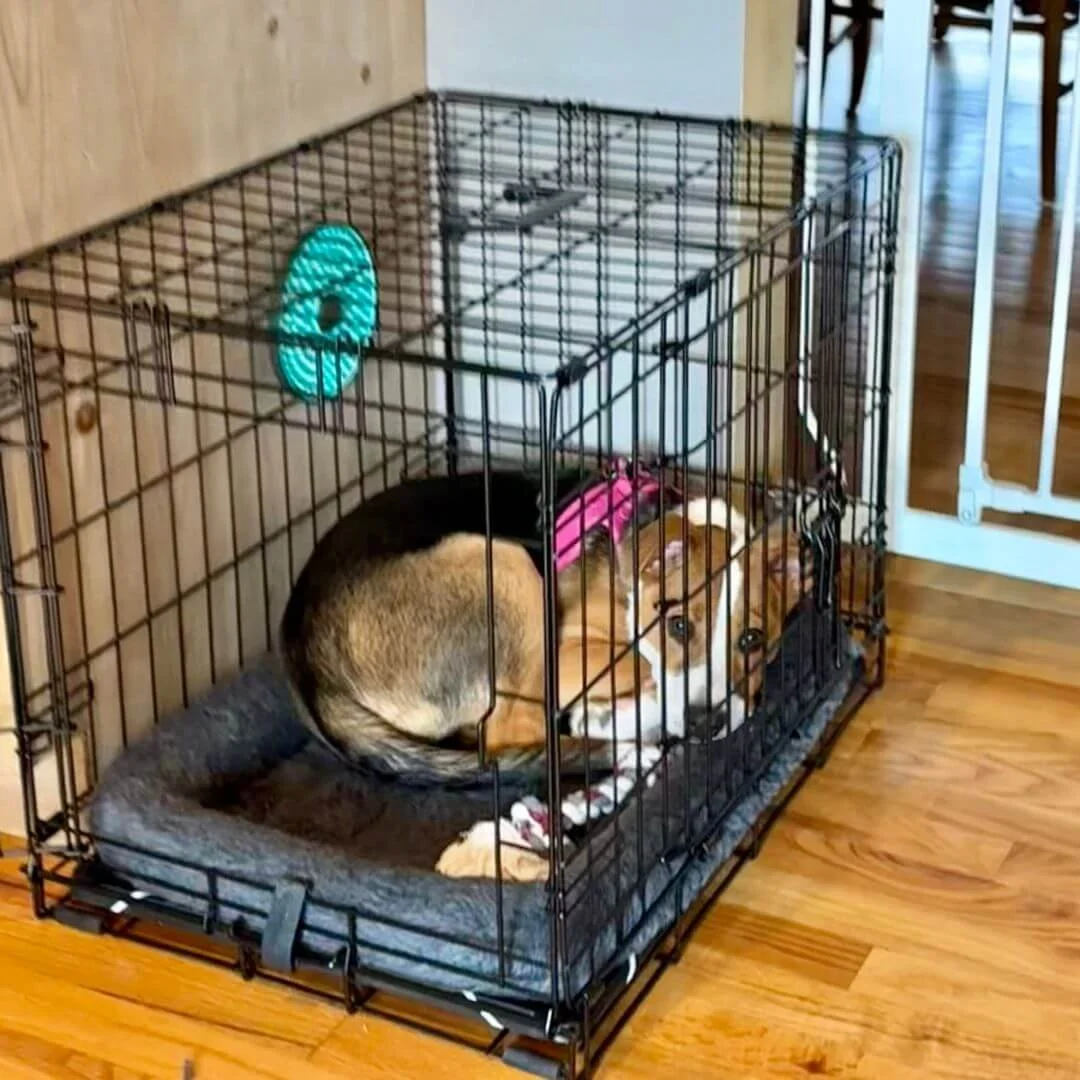
Sadie is a rescue puppy. Her family created a safe space with a bed, lick mat, and plush toys to help her settle in.
Your new dog is taking in a lot all at once — new surroundings, new people, and a completely unfamiliar routine. Even confident dogs can feel unsure in the beginning, so allowing time to adjust is an important first step.
Hold Off on Big Introductions: Skip large gatherings or meet-and-greets with friends and extended family. A quieter start helps your dog feel more at ease.
Create a Safe Space: Set up a calm, comfortable area where your dog can unwind, decompress and rest. Include familiar comforts like a bed, access to water, and something appropriate to chew or lick, such as a long-lasting chew or frozen Toppl.
Starting slowly helps your dog feel safe and that sense of safety is what allows trust to grow over time.
Reward the Behavior You Want to See
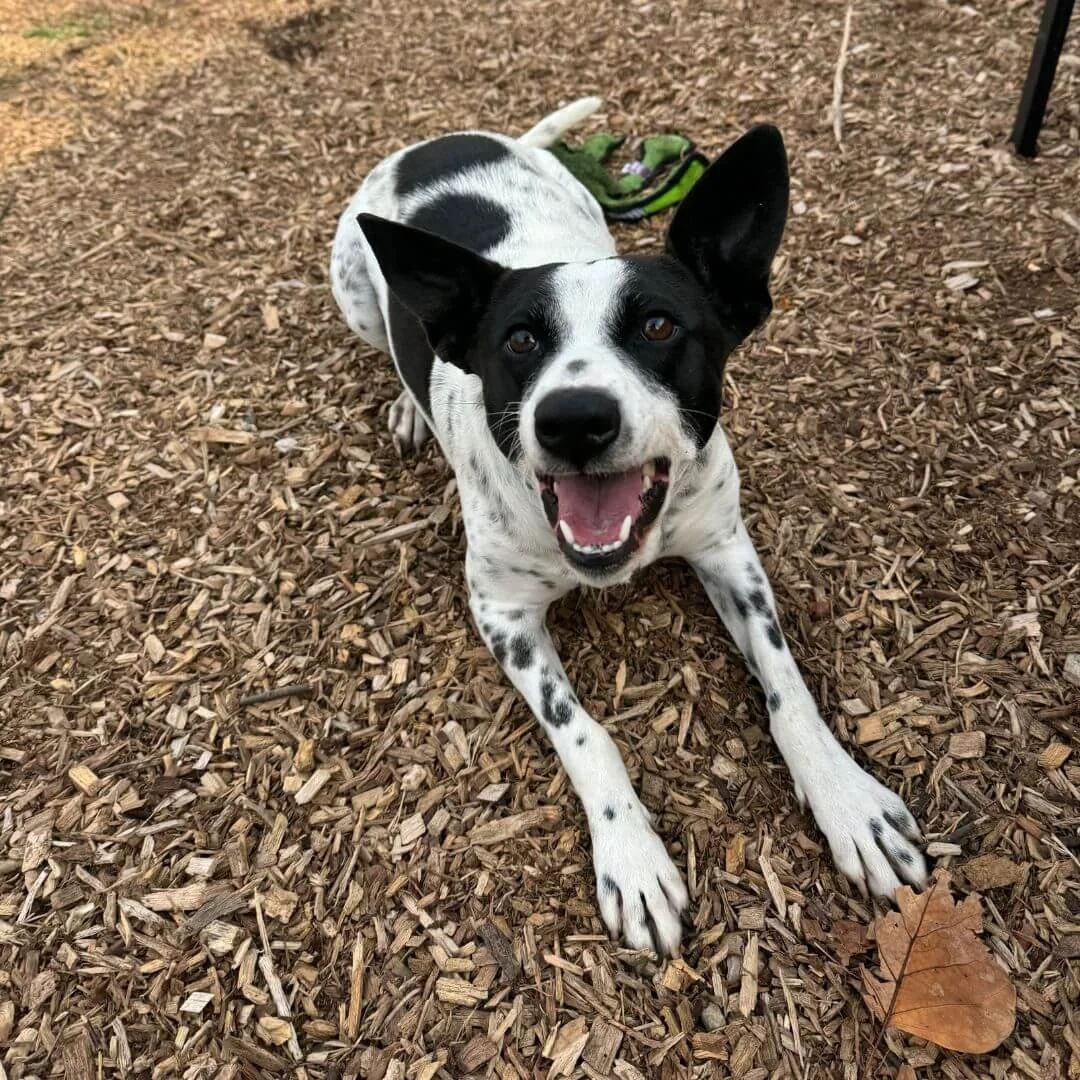
While training at RBARI, I marked Ellie’s polite behavior with “good down” before continuing play.
Your new dog may not yet understand cues like “sit” or “down,” and that’s completely normal. In these early days, your focus isn’t on cues it’s on helping your dog learn what works.
You can do this through a technique called capturing, which means rewarding behaviors your dog naturally offers.
Here are two examples you’re likely to experience:
Example 1: If your dog chooses to sit instead of jumping up, calmly say “good sit” and offer a treat.
Example 2: When your puppy lies down quietly at your feet instead of nipping at your ankles, say “good down” and deliver a treat.Rewarding your new dog from day 1 helps build trust and reinforces all those polite behaviors you want from your pup!
Reinforcing these smart choices your dog initiates early on helps build understanding, confidence, and trust.
Supervising Interactions with Kids and Other Pets
Positive experiences for your new dog begin with you being present, especially when kids and other household pets are involved, as these interactions can impact future behavior.
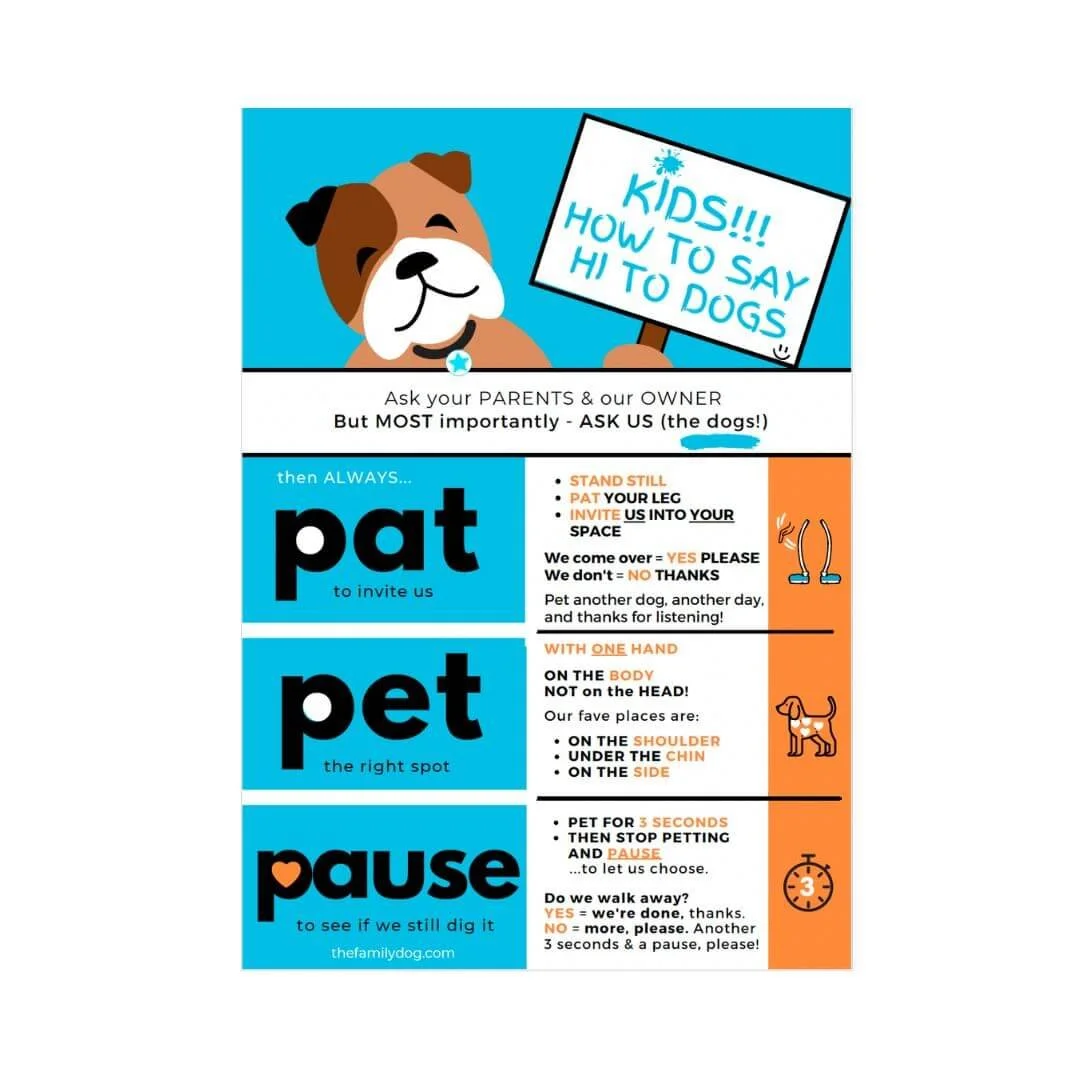
Download this free resource from Stop The 77 to help children interact safely with dogs.
Kids: Teach children to respect the dog’s space with "pat, pet, pause." My go-to resource for kids and dogs is from Stop The 77 and it should be yours too.
Resident Dogs: Introduce your new dog and resident dog on leash, outside, in a neutral location. Walk in parallel, giving each dog space, at first. Once inside, don’t expect your resident dog to automatically share their toys and their bed. Set up separate areas for both dogs to relax.
Cats: Keep the new dog on a leash for the introduction, and ensure your cat has a way to escape, if needed. Place baby gates around cat spaces so the dog can’t wander in, if left unsupervised.
Being proactive will prevent stress and conflict for everyone and every pet involved.
Supporting Your Existing Pets Through the Transition
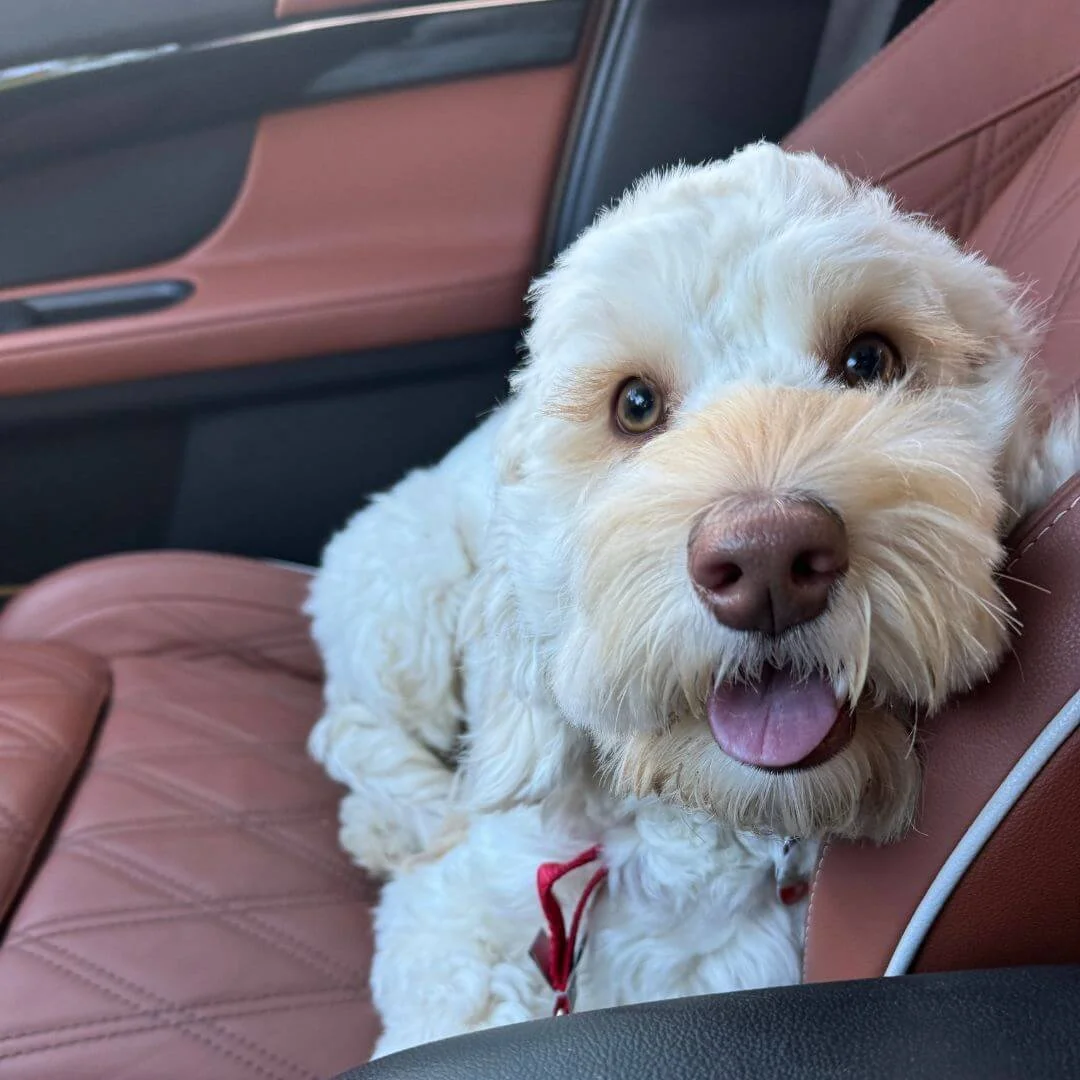
Kyla enjoys a solo car ride — one way to maintain connection with resident dogs.
Adding a new dog to the family can sometimes leave resident pets feeling unsettled or left out. To help prevent feelings of jealousy, carve out dedicated one-on-one time with your other pets.
Here are a few simple ways to reassure them:
Take your resident dog on a solo walk or car ride
Engage them in a game they enjoy, like fetch or chase, just the two of you.Share a snack together, like banana, blueberries, carrots, or a small piece of hard-boiled egg, while relaxing on the couch.
These small moments help prevent feelings of jealousy and ensure your resident pet continues to feel secure and valued.


Understanding Your Dog’s Body Language
Every tail wag, yawn, and ear flick your dog makes has meaning. Learning to read your dog’s body language helps you better understand how they’re feeling and respond in a way that supports them.
• Relaxed and Happy: A loose, wiggly body, soft eyes, and an open mouth often mean your dog is comfortable and enjoying themselves
• Stressed or Unsure: A stiff body, visible whites of the eyes, yawning, lip licking, or crouching can indicate stress or discomfort
Paying attention to these signals helps you recognize when your dog is feeling safe, when they may need space, and when they’re ready to engage.
Fear Free’s 5-minute video on dog body language is a must-watch for every pet guardian.
Conclusion: You’ve Got Years Ahead to Make Memories
Bringing a new dog home doesn’t have to feel overwhelming. Instead of filling the first few days with busy meetups, keep things simple. Take plenty of photos and share them with friends and family while your dog settles in.
Give your new pup time to adjust, and before long, they’ll begin to feel at home.
You’ve got a new best friend for life. These early steps help create the foundation for all the moments you’ll share together.
✌🏽❤️🐶
Continue Learning👇🏼
Want to learn more about how to support your dog during the transition home? These resources can help.
🤓 Free Dog & Puppy Training Guides
If you're bringing home a rescue dog, you may also find this guide helpful
📰 Welcoming a Rescue Dog Home (Do’s & Don’ts + 3-3-3 Rule)
If you're feeling unsure about your dog’s behavior or want guidance from the start, you're not alone.